BILECOAT Develops a biliary stent coating to keep stents open
A tethered lipid coating that keeps biliary stents open longer, developed with the University of Twente.
Jasper van Weerd
November 6, 2026

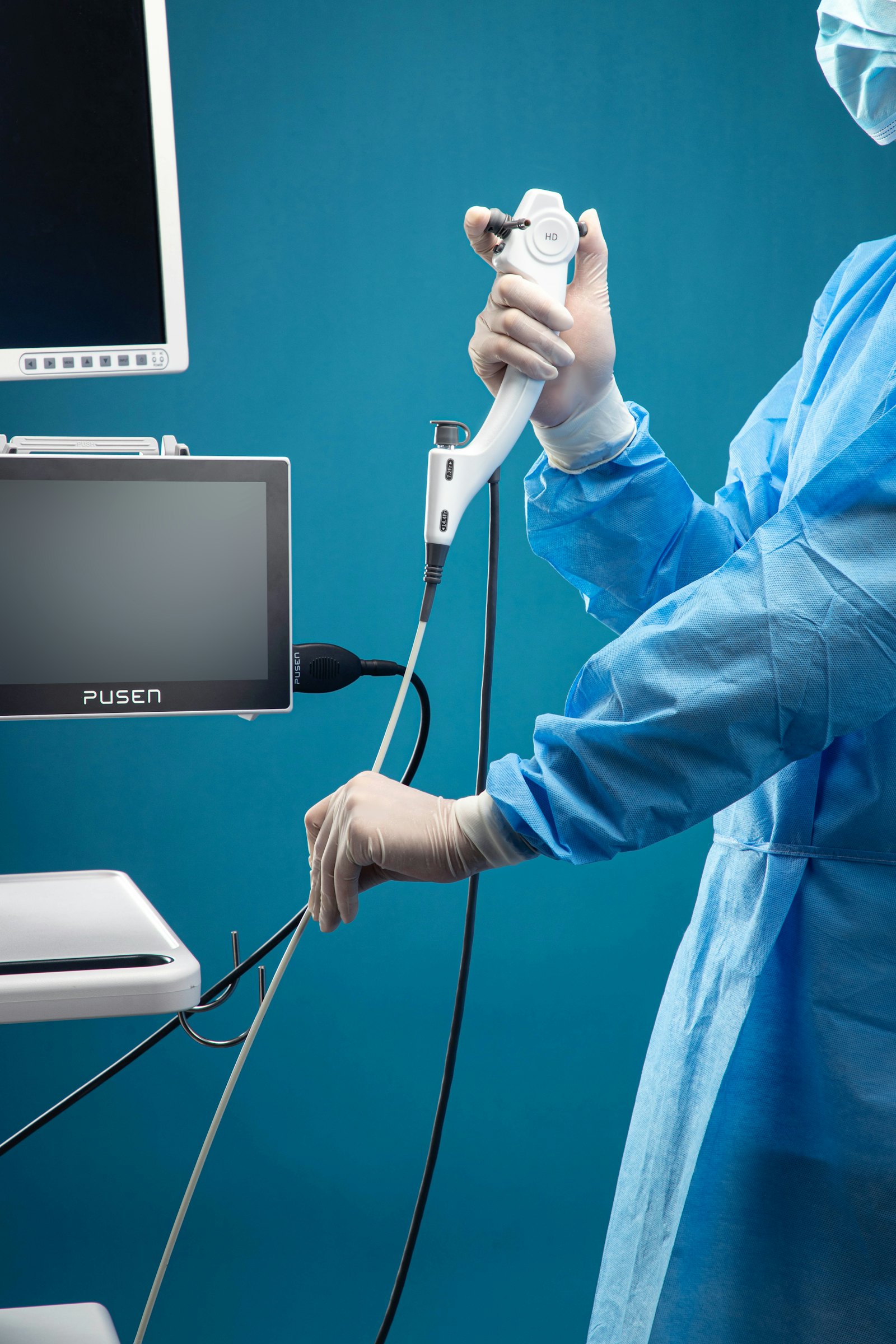
BILECOAT is a 24-month collaboration between Lipocoat Group and the University of Twente. The project develops a LipoCoat® coating that keeps biliary stents open longer, so patients need fewer repeat procedures.
A project of Lipocoat Group and the University of Twente. BILECOAT runs for 24 months and takes a LipoCoat® lipid coating from an early prototype to a validated demonstrator for biliary stents. The project is listed in the Health~Holland project overview.
A biliary stent is a small tube that keeps the bile duct open when gallstones, a stricture or a tumor block it. Over time, bacteria form a biofilm on the stent and bile components build up on its inner surface. The stent narrows, bile flows more slowly and the risk of infection rises. In the worst case the duct blocks again, and the patient needs another endoscopic procedure (ERCP) to clear or replace the stent.
The scale is large. The project partners estimate that about 250,000 biliary stent procedures take place in the EU each year. If 30–40% of these patients need at least one repeat ERCP because of occlusion or related complications, and each occlusion event costs roughly €10,000 once the repeat procedure, hospital stay and complication management are counted, the yearly burden for European healthcare is in the order of €1 billion.
BILECOAT combines two ideas. The first is a polymerized lipid layer. In early laboratory work, polymerized diacetylene lipids reduced fouling by more than 85%. The second is tethering, a way to bond that lipid layer permanently to the stent surface. Together they form a next-generation coating that targets biofilm formation, bile fouling and the infections linked to them.
The project starts at Technology Readiness Level (TRL) 3/4 and aims for a validated demonstrator at TRL 6.
A stent that stays open longer means fewer replacement procedures for patients, less endoscopy workload and fewer unplanned hospital admissions. If BILECOAT reduces occlusion-driven re-interventions by 20–30%, the partners estimate savings in the order of €200–300 million per year for European healthcare systems. The same approach can open the way to other gastrointestinal (GI) applications.
LipoCoat® is applied to existing medical devices, so a manufacturer can add a function without redesigning the device. BILECOAT builds the tethering strategy and test data for biliary stents. Manufacturers who want to evaluate LipoCoat® on their own device can start with a feasibility study.


Talk to our team about a feasibility study on your device.
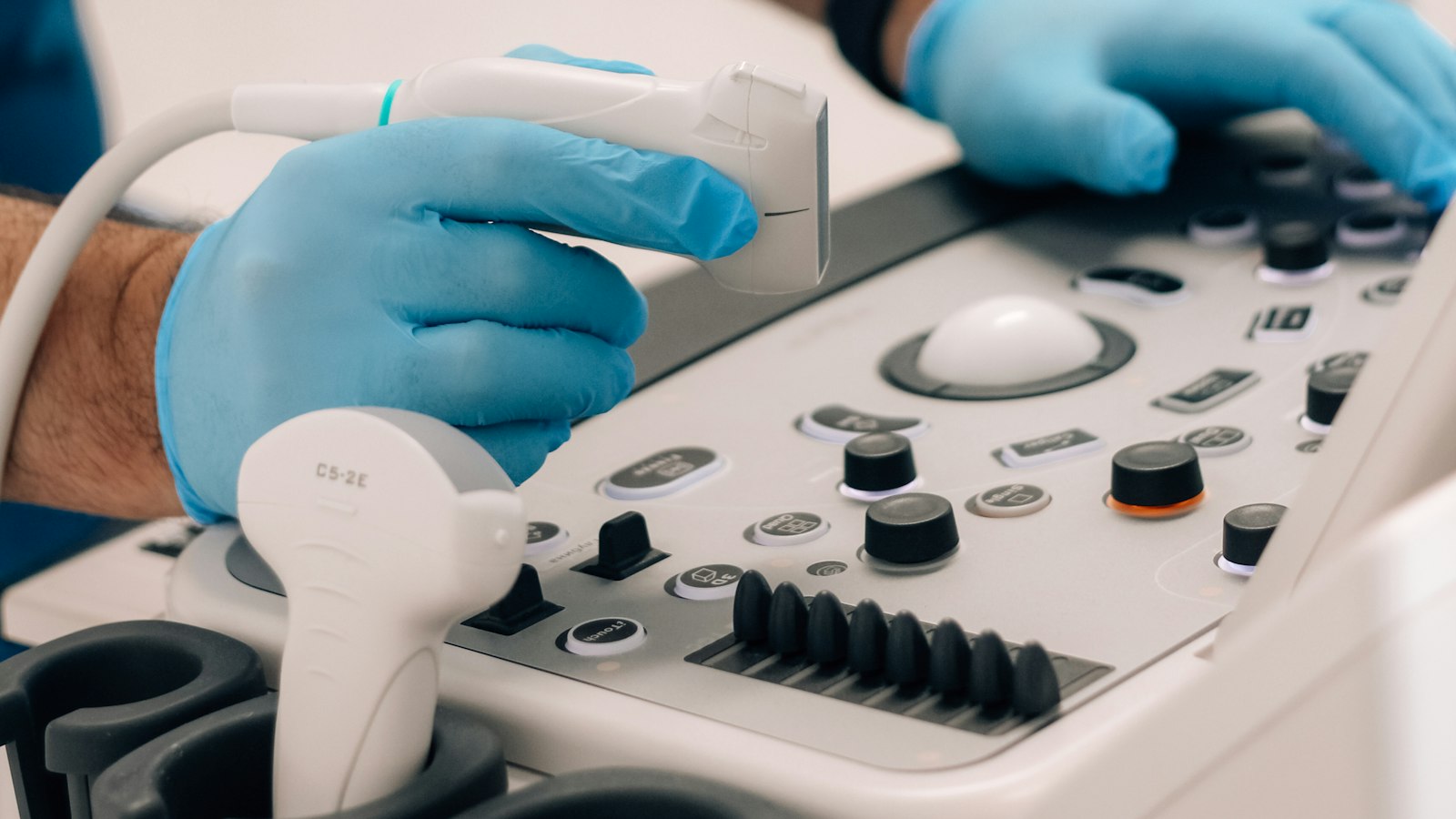
A proof-of-concept study in the Journal of Vascular Access tested SonoCoat® echogenic needles in femoral arterial access with nine combat medics.

MIME develops a SonoCoat® coating that makes medical devices visible in ultrasound, CT and MRI, together with Radboud University Medical Center. Funded by the Health~Holland MKB Call.
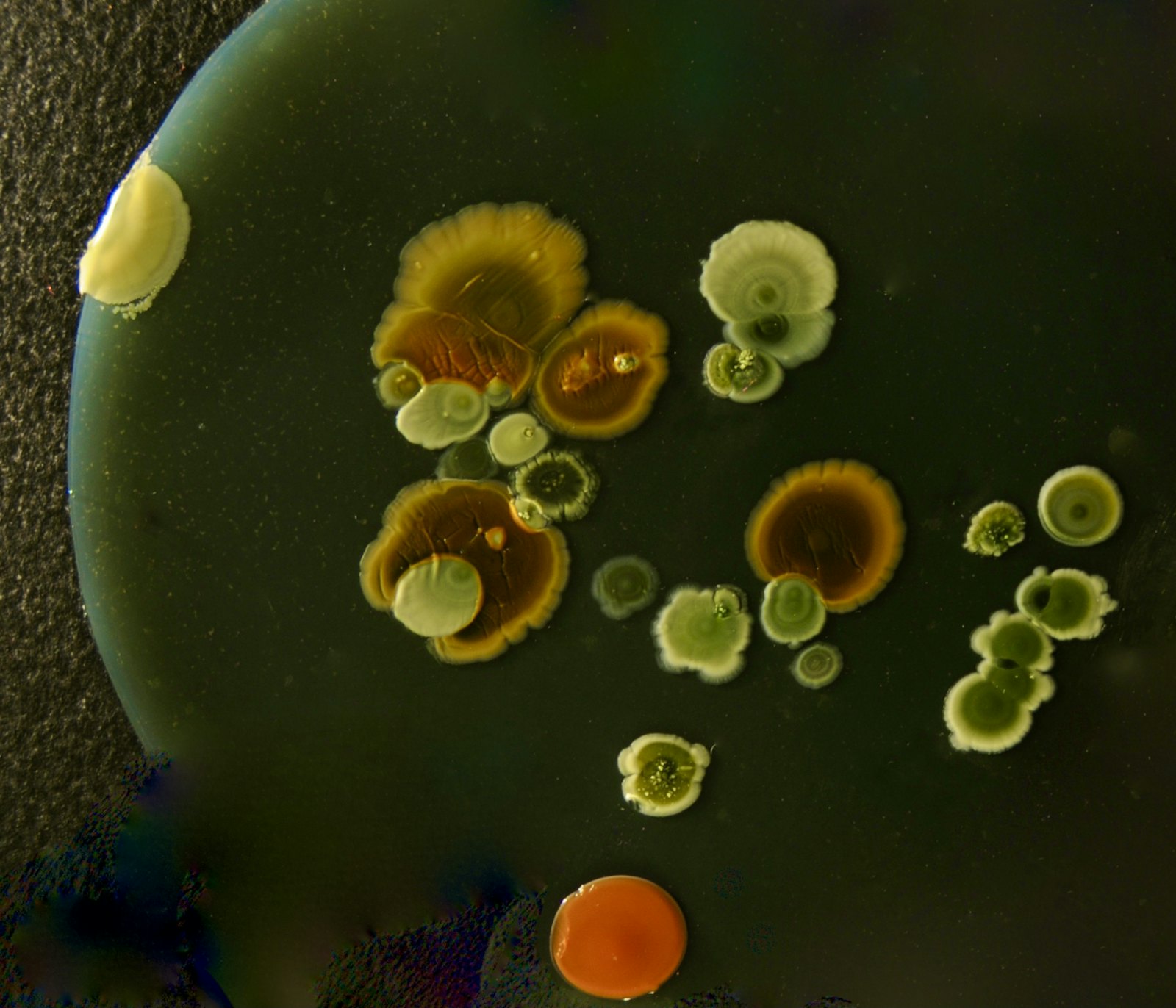
UROCOAT develops an antibiotic-free LipoCoat® coating for urinary catheters with the University of Twente. The target is to reduce catheter-associated infections by 50–90%. Funded by the Health~Holland MKB Call.