

Why medical device coatings need a PFAS-free alternative
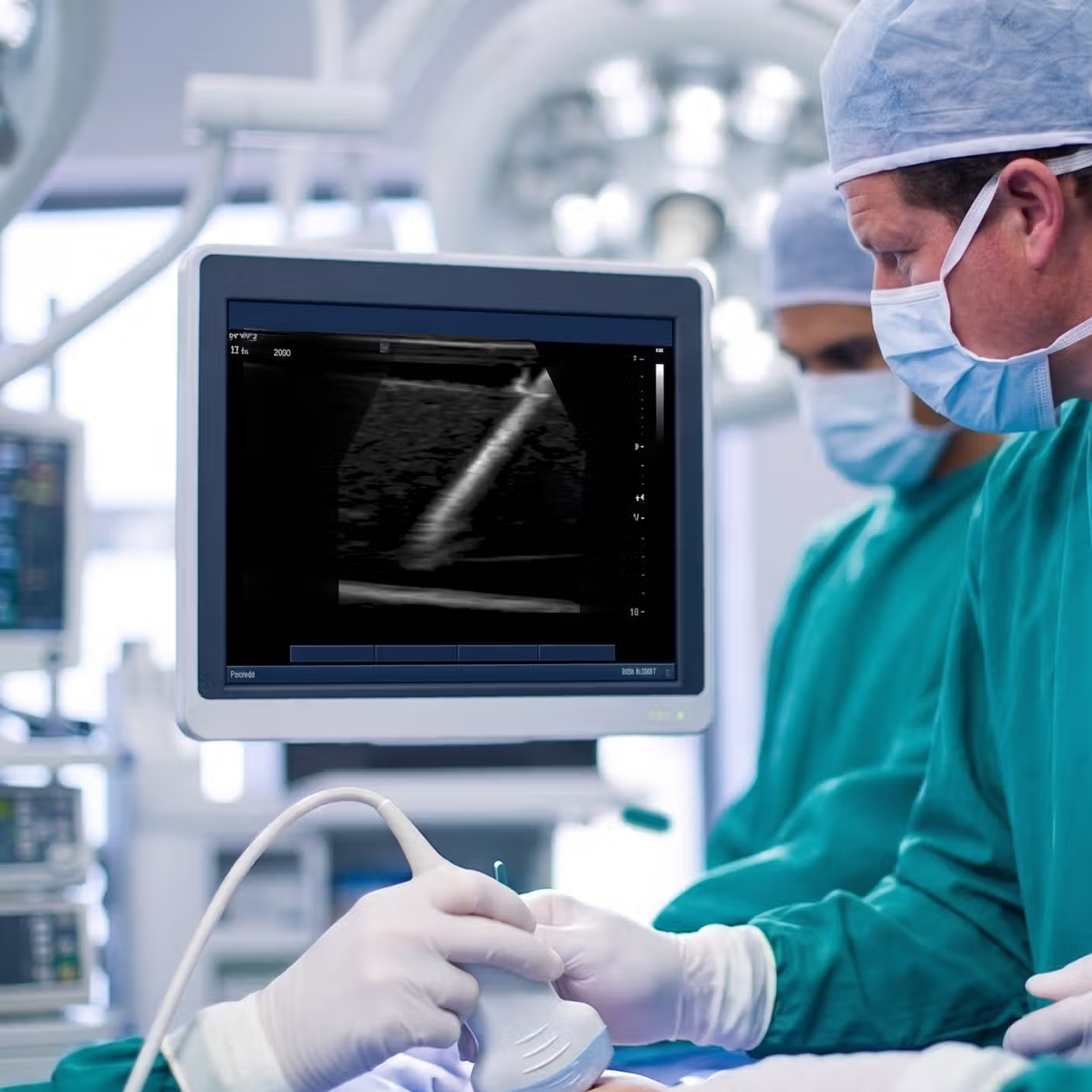
The EU is tightening PFAS rules, and medical device coatings are in scope
LipoCoat® mimics living cell membranes with a precisely engineered 5 nm bilayer that reduces fouling on your device.
The European Union is considering a strict ban on over 10,000 PFAS chemicals due to their risks to the environment and human health. For the medical and pharmaceutical sector, the challenge is to find safe alternatives. Lipocoat helps you future-proof your portfolio with a bio-inspired coating that offers comparable performance specs, without the risk of regulatory bans.
Our platform technology has been extensively tested according to ISO 10993-1 standards, guaranteeing it contains no active or harmful substances. LipoCoat® act as a passive, biocompatible barrier. This inherently safe profile makes the regulatory approval process for your devices much simpler.
Of our coating formulations contain PFAS, silicones or active pharmaceutical ingredients.
Active coatings may kill bacteria today, but they accelerate the development of resistant strains tomorrow. This creates a growing regulatory and reputational risk.
LipoCoat® technology offers a fundamentally different approach. Instead of actively killing bacteria, it provides a passive barrier that prevents bacterial adhesion, without relying on active or synthetic chemicals. This means no contribution to antimicrobial resistance, and no exposure to the regulatory uncertainty that comes with it.
Instead of using an aggressive (active) coating that gets banned over time, we developed a biocompatible passive shield.
The continuous cat and mouse game between chemists and regulatory authorities
Ensuring medical device coating can be deployed for the lifetime of your device
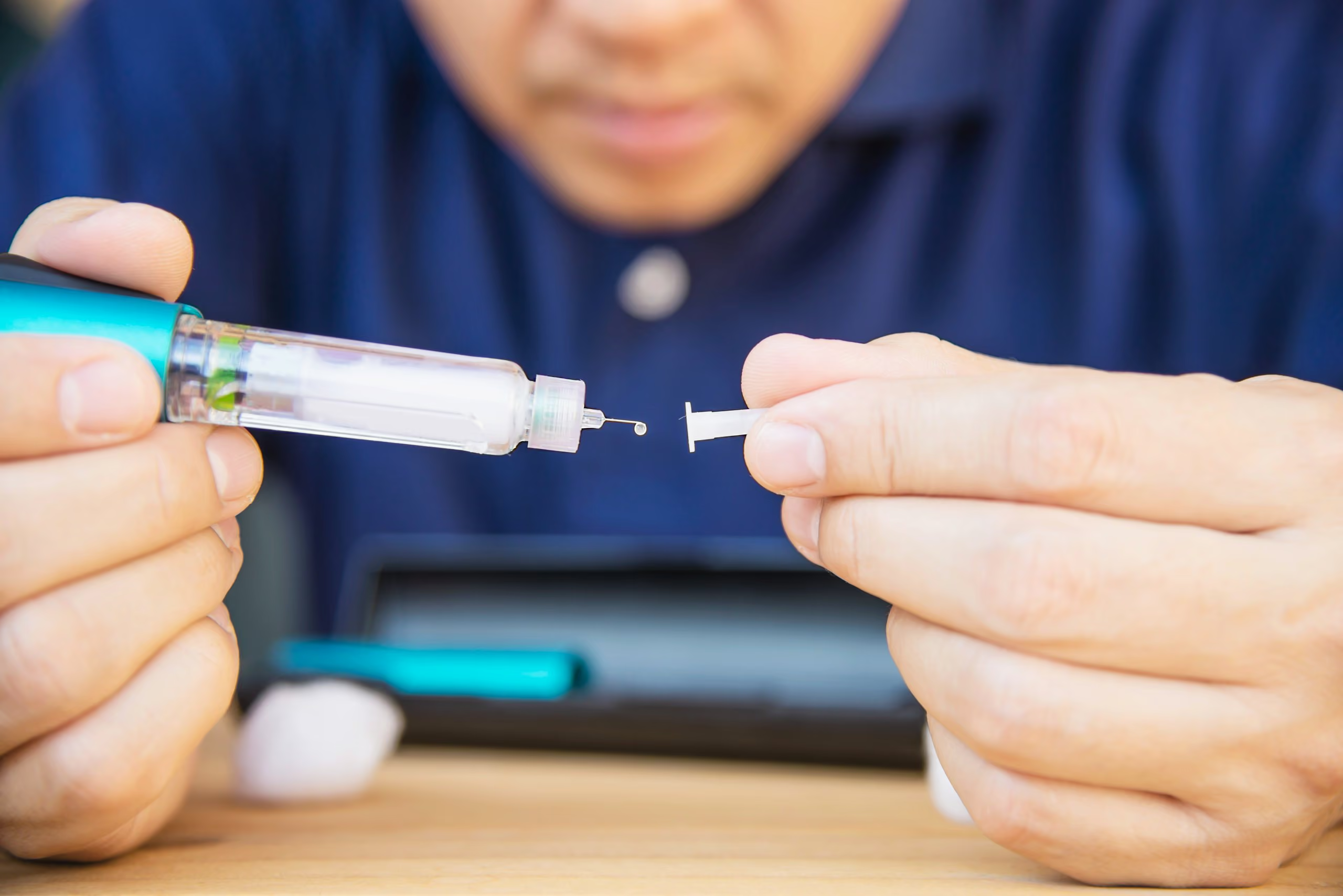
How to find the best alternative for PTFE, PVP and Silicones?
LipoCoat® offers a bio-inspired alternative that enhances lubricity and is thinner than conventional coatings available on the market.
Coatings are applied to medical devices to increase lubricity, improve maneuverability, and minimize tissue trauma. However, traditional materials such as PTFE, PVP, and silicone carry a structural risk: they can detach from the substrate. This coating separation (flaking or particulate shedding) poses serious patient safety risks, prompting regulatory agencies like the FDA to issue safety communications regarding these lubricious coatings.
LipoCoat® offers a bio-inspired alternative to PTFE, PVP and silicone coatings. Our platform technology uses a nanothin lipid-based coating free of PFAS, silicones and active pharmaceutical ingredients. The coating attracts water molecules, forming a smooth and stable hydration layer that delivers surface lubricity.
The LipoCoat® technology has limited impact on the outer diameter of your device. Coating thickness is submicron, for most use cases between 5 and 500 nm.
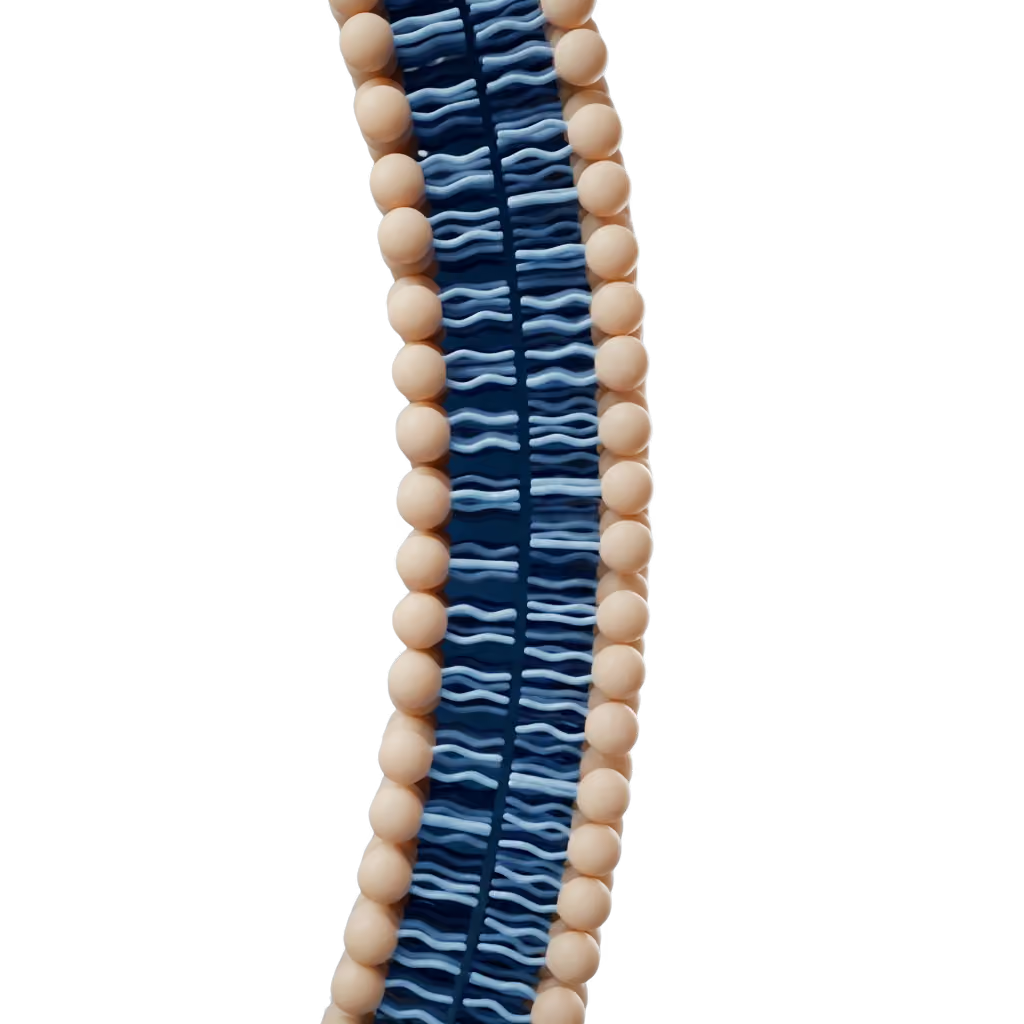
How the LipoCoat® platform technology works
LipoCoat® technology is engineered to mimic the human cell membrane. By combining cell biology with nanotechnology, we developed a coating that is free of PFAS, silicones and active pharmaceutical ingredients. LipoCoat® technology generates a thin hydration layer on your medical device, working as a shield that reduces pathogen and protein adhesion.
Interested in enhancing your portfolio with our platform technology? Compare our mechanical and biological properties with existing industry standards by downloading this comparison table.
Coating properties: anti-fouling, lubricity and biocompatibility
Our technology replaces persistent chemicals and active drugs with a passive, biocompatible barrier, creating a more durable coating

Safe by design: Creates a biological shield that prevents pathogens and proteins from binding to the medical instrument.
ISO 10993 validated: Fully tested and passed all relevant biocompatibility tests
Free of animal-derived components: the coating contains no materials of animal origin.
Haemocompatibility evaluated according to ISO 10993-4: in tested conditions, coated surfaces showed reduced haemolysis, platelet activation and protein adsorption (fibrinogen and albumin) compared with uncoated controls.

Fouling reduction
Anti-fouling defense
Compared to uncoated control samples, LipoCoat®-treated surfaces offer sustained fouling protection for up to 29 days.
Tailormade coating thickness
Coating thickness can be customised from a few nanometers up to hundreds of nanometers.

Coating thickness

API, Si and PFAS
Sustainable medical coating technology
LipoCoat works purely as a passive physical/chemical barrier to prevent pathogen and protein fouling, eliminating the risks of chemical toxicity or antimicrobial resistance.
Applications: catheters, needles and contact lenses
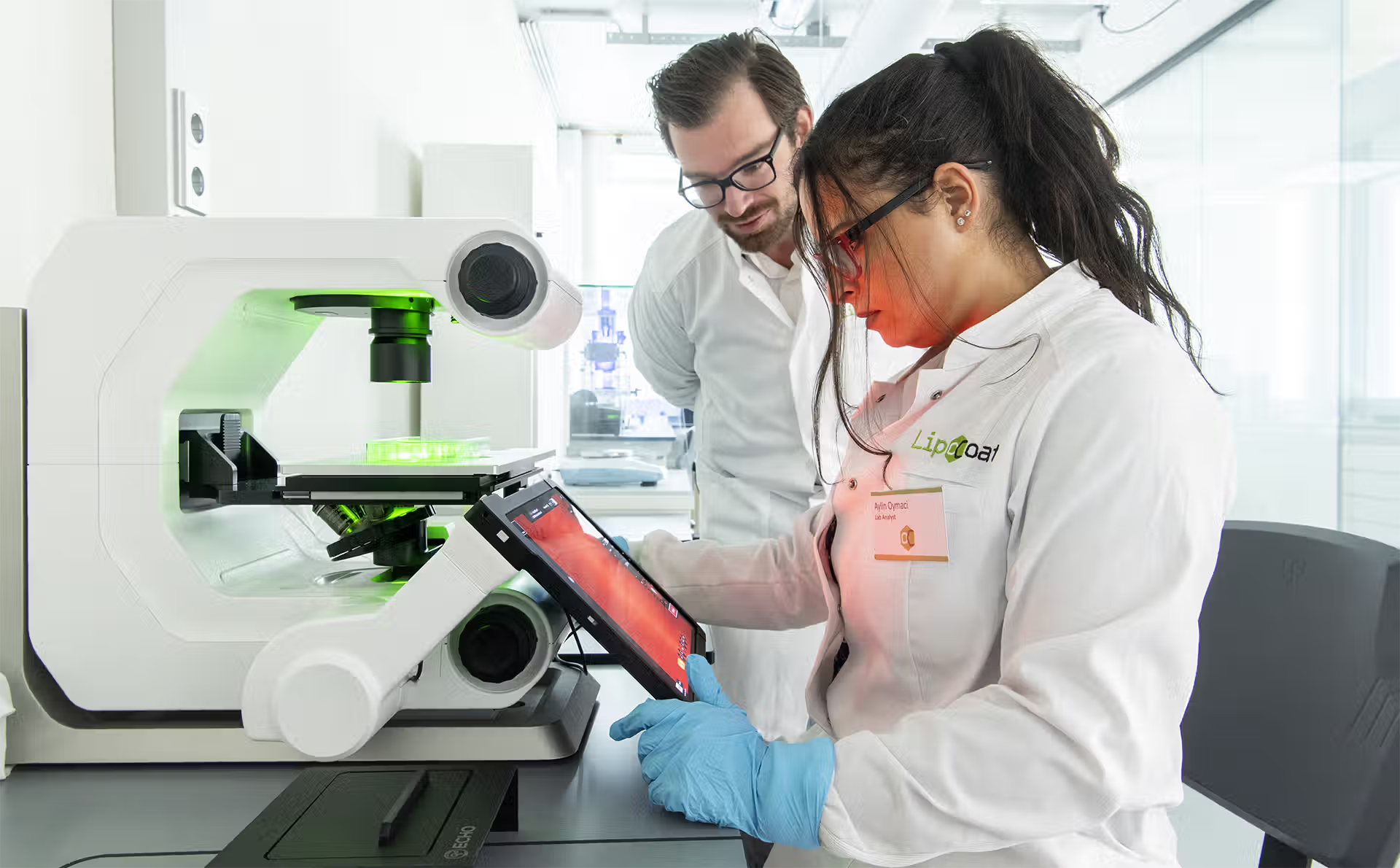
Tailored to your specific application
Whether you need a thinner, smoother finish, or enhanced wettability and lubricity, we understand that every application has unique requirements. Thanks to the LipoCoat® technology, we can tailor our coatings to your exact specifications without altering the device's underlying mechanical properties or dimensions.

Catheters
Offering a passive and drug-less solution to reduce biofilm formation, improve blood compatibility and prevent tissue damage.
Needles
Sustainable alternative to (traditional) silicone coating used on needles.
Contact Lenses
To improve comfort and safety properties of the contact lens materials by increasing surface wetting and increasing surface lubricity.
Easy to integrate
In your production process
LipoCoat® technology integrates into your existing product portfolio and production line. The coating process runs on existing coating infrastructure, requires no specialized handling or tooling, and uses mild organic solvents only.
Documented for your submission
Full ISO 10993-1 programme passed, with test reports available for your technical file
Low barrier to entry
Future-proof solution
Dip-coating process
Single-stage and compatible with standard dip coating tools.
Low material usage
Sustainable and limited waste.
LipoCoat® technology in the spotlights
FAQ
The most frequently asked questions about the LipoCoat® technology.
Traditional medical coatings typically rely on thick synthetic polymer matrices (such as PVP or PTFE) or active leaching biocides (such as silver ions or antibiotics). In contrast, LipoCoat® is a bio-inspired technology that mimics the natural phospholipid bilayer of human cell membranes and uses whole lipids and lipid derivatives. It turns the device surface into a passive anti-fouling interface that reduces adhesion of proteins, platelets and bacteria.
The nanoscale structure is a major engineering advantage. The coating attracts water molecules to form a dense, stable hydration layer. Because LipoCoat® is bound at the molecular level rather than applied as a thick, brittle polymer film, it is designed to minimise delamination, cracking and particulate generation (flaking), a common point of failure flagged in FDA safety alerts for traditional lubricious coatings. Particulate behaviour is verified for your device and substrate during testing, and durability is tuned through coating composition and layer thickness.
The LipoCoat® technology offers compatibility across a broad spectrum of medical device materials, including polymers, metals, alloys and ceramics.
Because LipoCoat® is applied at a nanoscale thickness, it has virtually no impact on the mechanical specifications, wall thickness, outer diameter (OD), inner diameter (ID) or fluid flow dynamics of your device. Dimensional impact is confirmed on your device during feasibility testing.
LipoCoat® is designed for scalable manufacturing integration. The application process is a single-step dip-coating method that operates under mild ambient conditions. It requires no UV curing, thermal polymerization or complex chemical cross-linking steps. Process parameters and coating thickness control are programmed into the molecular formulation, so OEMs can upgrade existing production lines without capital-intensive facility re-engineering.
LipoCoat® has been evaluated according to ISO 10993 and passed the applicable endpoints for the device categories tested. The coating contains no antimicrobial compounds and no leaching substances, so it does not create a pathway for antimicrobial resistance (AMR).
Still have questions?
Please contact us to discuss your project.