CATHCOAT Receives EFRO Oost Funding
A central venous catheter with LipoCoat® coating enters its first clinical study at Medisch Spectrum Twente.
Jasper van Weerd
October 23, 2026

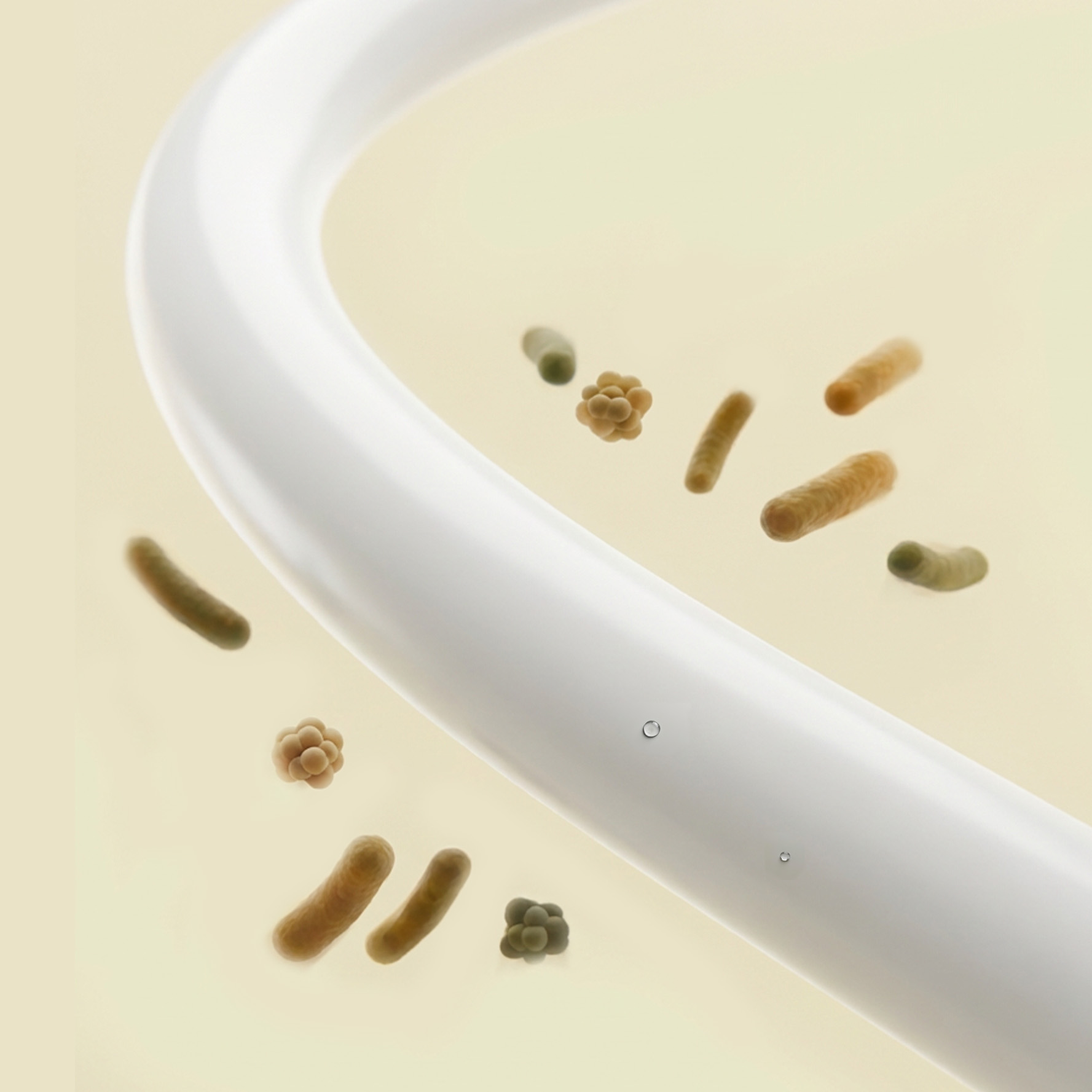
Lipocoat and its partners are running CATHCOAT, a first-in-human study of a central venous catheter with LipoCoat® coating in intensive care. The project is co-funded by the European Union through EFRO Oost.
Co-funded by the European Union. CATHCOAT receives financial support from the European Regional Development Fund (ERDF, in Dutch EFRO) through Programma EFRO 2021–2027 Oost-Nederland, under its test and demonstration scheme.
CATHCOAT demonstrates and validates central venous catheters (CVCs) with a LipoCoat® coating in an intensive care setting. The coating is a nanothin phospholipid layer designed to reduce the adhesion of proteins and bacteria on the catheter surface, without antibiotics or biocides. The project takes the coating from earlier studies into the hospital.
CVCs are among the most widely used medical devices in intensive care. The Dutch study registry cites a background risk of CVC-related bloodstream infection on the ICU of 2.1 to 8.7 per 1,000 catheter days. CATHCOAT studies a passive coating approach that does not rely on antibiotics.
The clinical part of CATHCOAT is registered in the Dutch research registry as NL-OMON61416. The key design facts:
The study has not reported results yet. Findings will be published on this page once the analysis is complete.
Programma EFRO 2021–2027 Oost-Nederland is an innovation and cooperation program for small and medium-sized enterprises. It is funded by the European Union, the Dutch Ministry of Economic Affairs and Climate, and the provinces of Gelderland and Overijssel. Its test and demonstration projects aim to speed up the market introduction of products and services. More information is available at efro-oost.eu.
Dutch research registry (Onderzoek met Mensen), study NL-OMON61416: CATHCOAT: LipoCoat-coated Eline CVC catheters.


Talk to our team about validating LipoCoat® on your device.
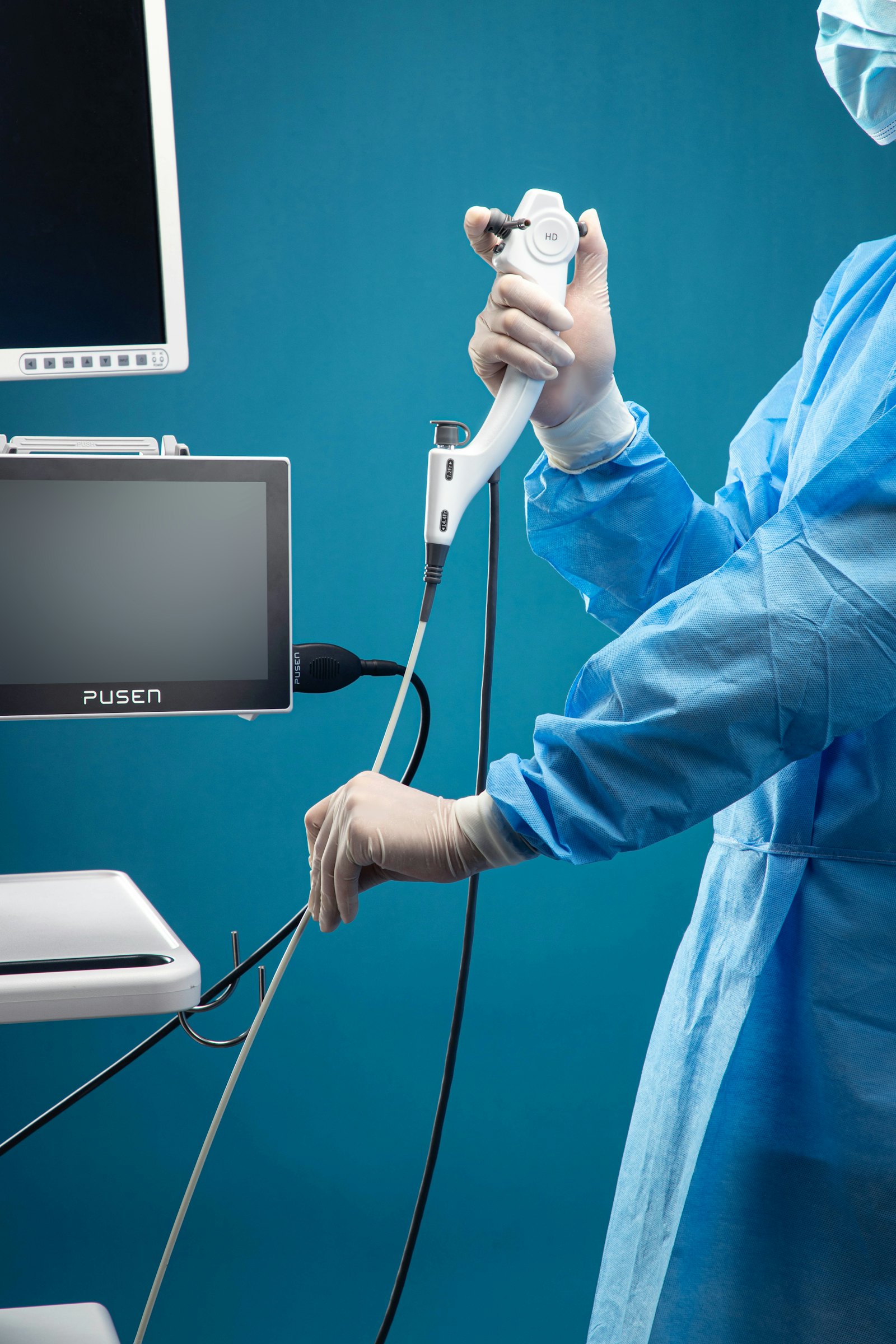
BILECOAT develops a LipoCoat® lipid coating for biliary stents with the University of Twente. The goal is a stent that stays open longer and needs fewer repeat procedures.
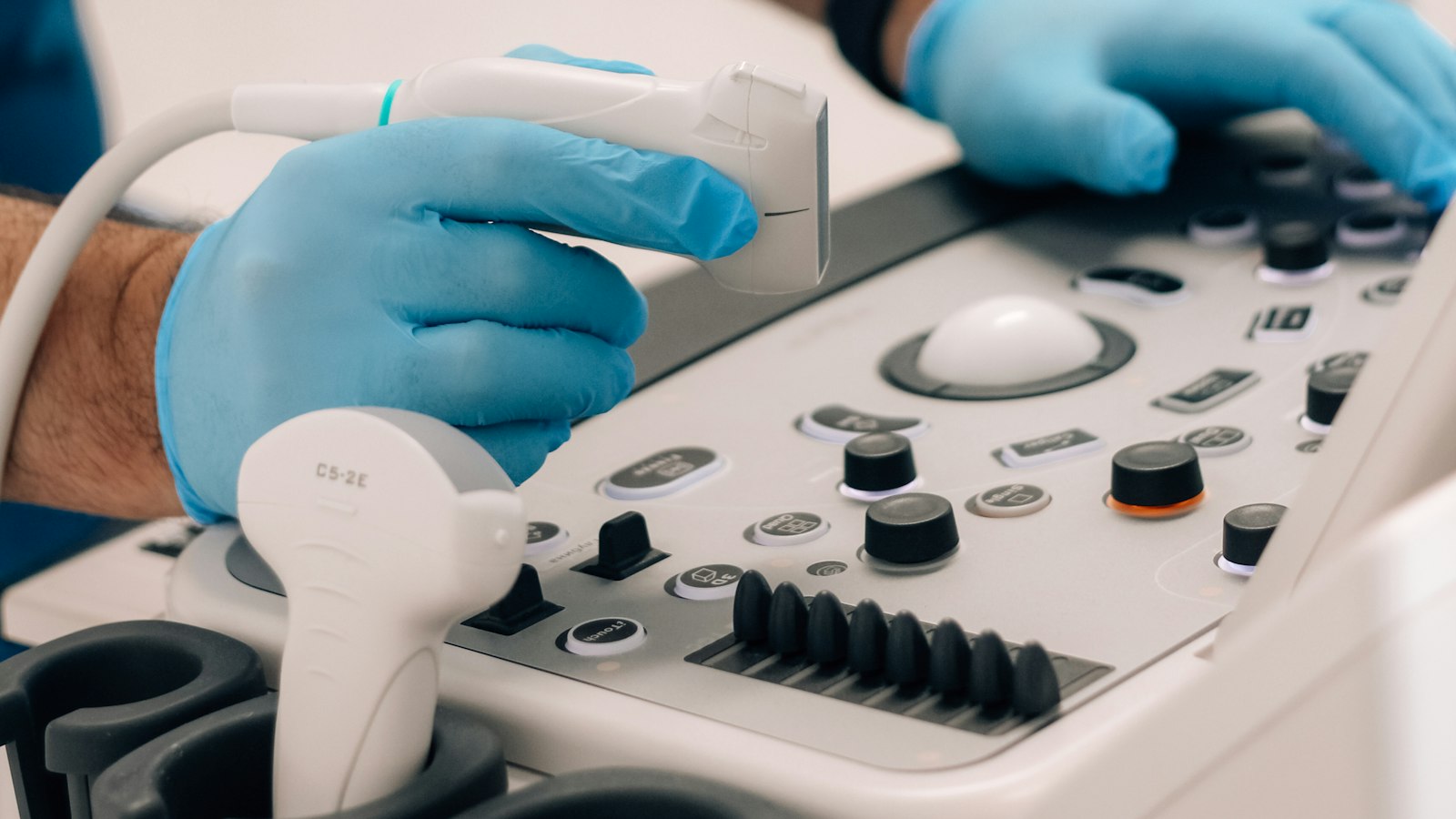
A proof-of-concept study in the Journal of Vascular Access tested SonoCoat® echogenic needles in femoral arterial access with nine combat medics.

MIME develops a SonoCoat® coating that makes medical devices visible in ultrasound, CT and MRI, together with Radboud University Medical Center. Funded by the Health~Holland MKB Call.