EPIC Receives NWO Funding to Fight Implant Infections
Endolysins on lipid nanocarriers against antibiotic-resistant Staphylococcus biofilms on hip, knee and dental implants.
Jasper van Weerd
March 19, 2025

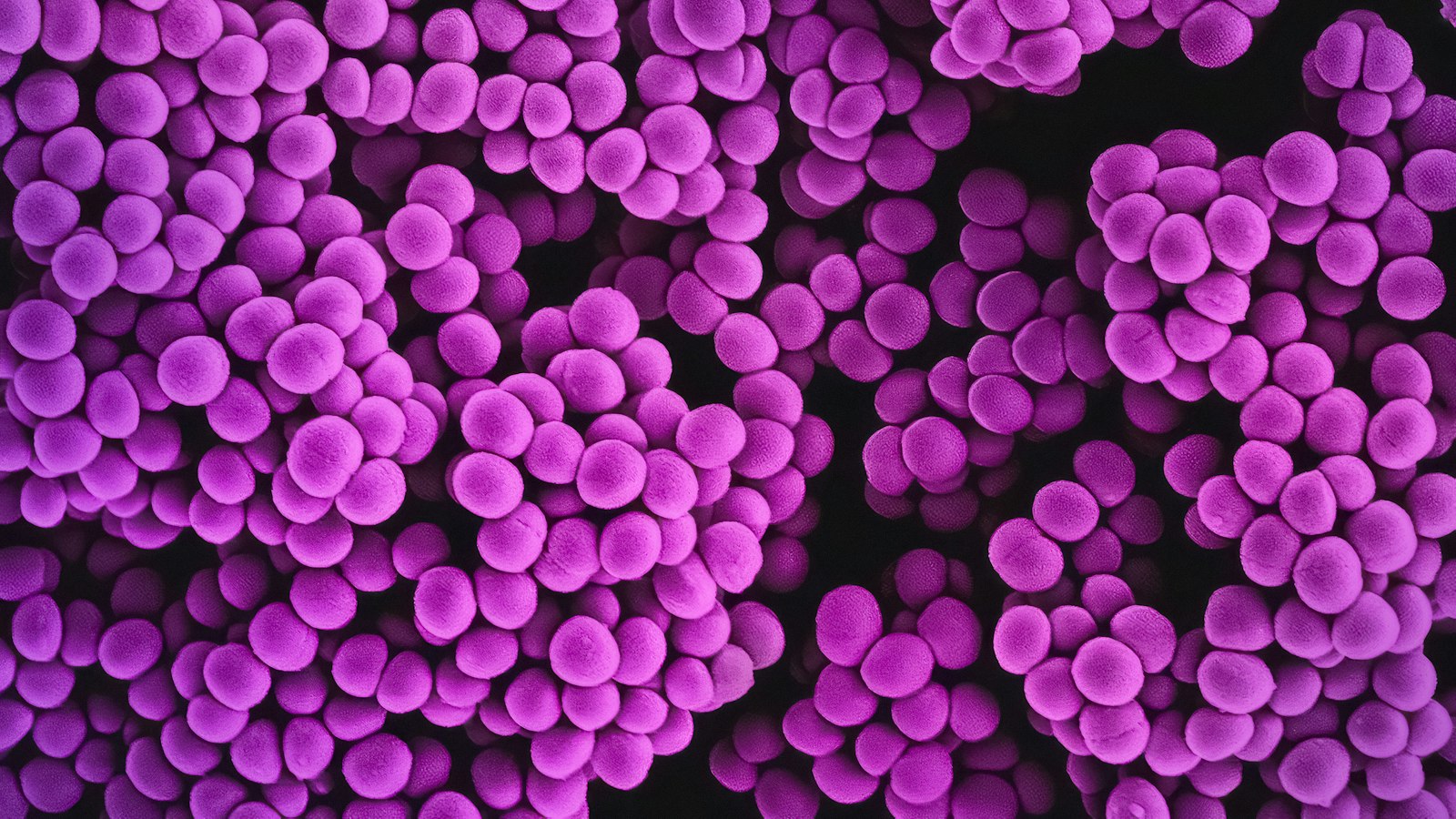
EPIC is a five-year NWO project led by ACTA and Vrije Universiteit Amsterdam, with Lipocoat Group as one of the partners. It develops endolysins linked to lipid nanocarriers to prevent and treat antibiotic-resistant Staphylococcus infections on orthopedic and dental implants.
Funded by NWO and the Dutch Ministry of Health, Welfare and Sport. EPIC (Endolysin-based Protective Implant nanoCarriers against multidrug-resistant staphylococcal biofilms) is one of five public-private consortia funded in the NWO-KIC call “Antimicrobials for the preclinical pipeline”. The project runs from September 10, 2025 to September 10, 2030. The principal investigator is dr. ing. Michel Hoogenkamp of the Academic Centre for Dentistry Amsterdam (ACTA), with Vrije Universiteit Amsterdam as lead organization.
Each year, about 800 patients in the Netherlands with a hip or knee prosthesis develop a joint infection. About half of these infections are caused by Staphylococcus bacteria. On the implant surface, the bacteria form a biofilm that shields them from the immune system and from antibiotics. Methicillin-resistant Staphylococcus aureus (MRSA) and multidrug-resistant Staphylococcus epidermidis (MRSE) are especially hard to eradicate.
Without radical treatment, such as debridement, antibiotics, rinsing of the implant and replacement of its movable parts, these infections eventually lead to removal of the implant. The project description also cites projections of 10 million deaths per year from antibiotic resistance by 2050.
Bacteriophages are viruses that infect bacteria, but bacterial defense mechanisms can make them ineffective. EPIC therefore uses endolysins, the enzymes that bacteriophages use to break open the bacterial cell wall. In earlier work, the chimeric endolysin XZ700 was effective against MRSA biofilms without harming human cells.
The consortium links these endolysins to a lipid nanocarrier. The aim is a formulation that works without antibiotics and that can be applied during surgery or as part of an implant coating.
Lipocoat Group brings its knowledge of LipoCoat® to the consortium. LipoCoat® is a lipid-based antifouling coating that works without antimicrobial agents. Lipocoat Group adds this experience with lipid coatings on medical devices to the EPIC research on nanocarrier-based implant coatings.
Implant-associated infections remain a serious complication for orthopedic and dental implants, and antibiotic resistance narrows the treatment options. EPIC explores how an antibacterial agent can be delivered at the implant surface itself. LipoCoat® is applied to existing medical devices, so a manufacturer can add a function without redesigning the device. Manufacturers who want to evaluate LipoCoat® on their own device can start with a feasibility study.
NWO and the Dutch Ministry of Health, Welfare and Sport (VWS) developed the NWO-KIC call “Antimicrobials for the preclinical pipeline” to stimulate new antimicrobials and complementary therapies against bacterial and fungal infections. Five consortia received a combined €4,534,774 for up to six years of research. In NWO-KIC programs, private partners invest in every research project. More information is available at nwo.nl.


EPIC is part of the NWO-KIC call ‘Antimicrobials for the preclinical pipeline’ and receives funding from the Dutch Research Council (NWO) and the Ministry of Health, Welfare and Sport (VWS).
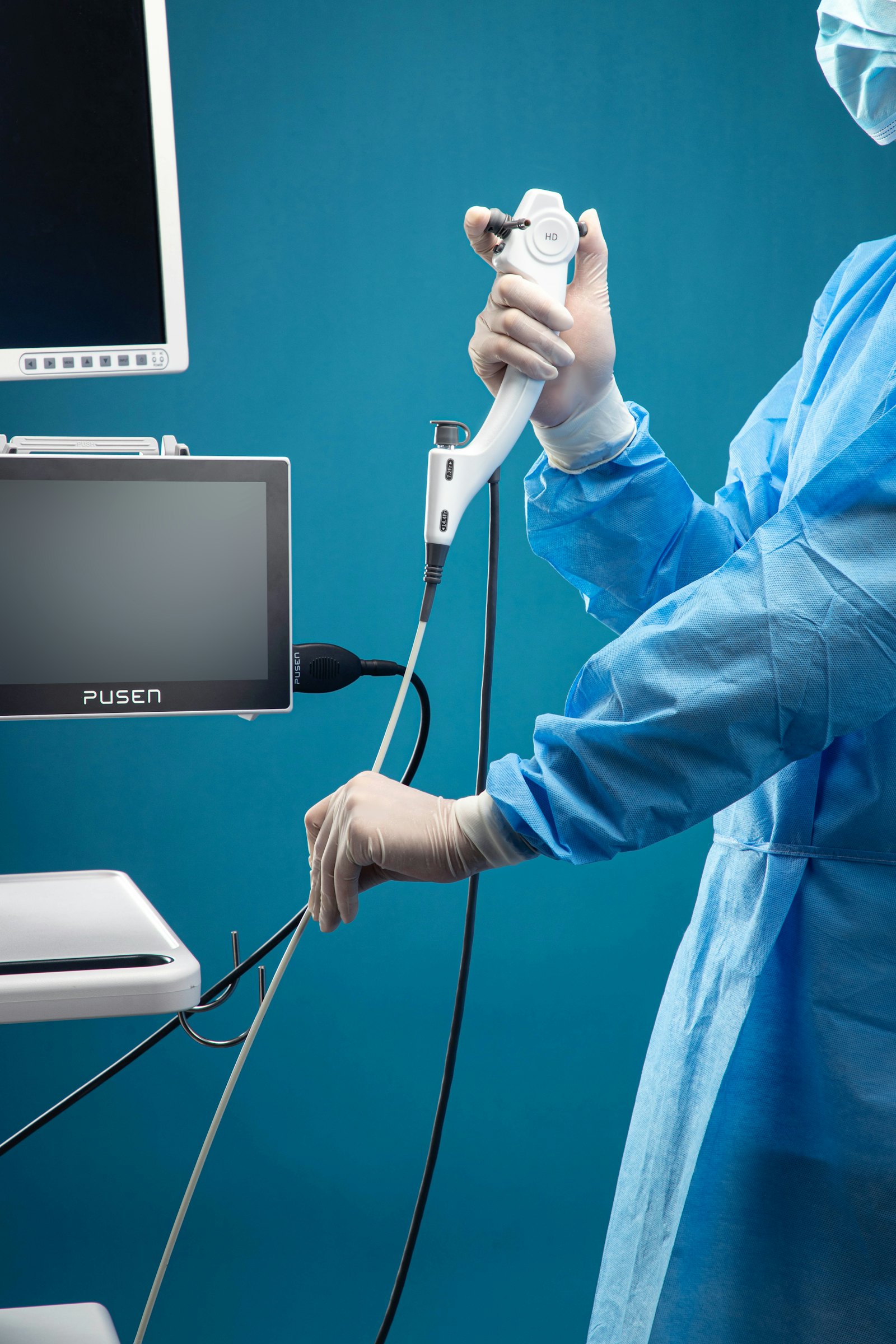
BILECOAT develops a LipoCoat® lipid coating for biliary stents with the University of Twente. The goal is a stent that stays open longer and needs fewer repeat procedures.
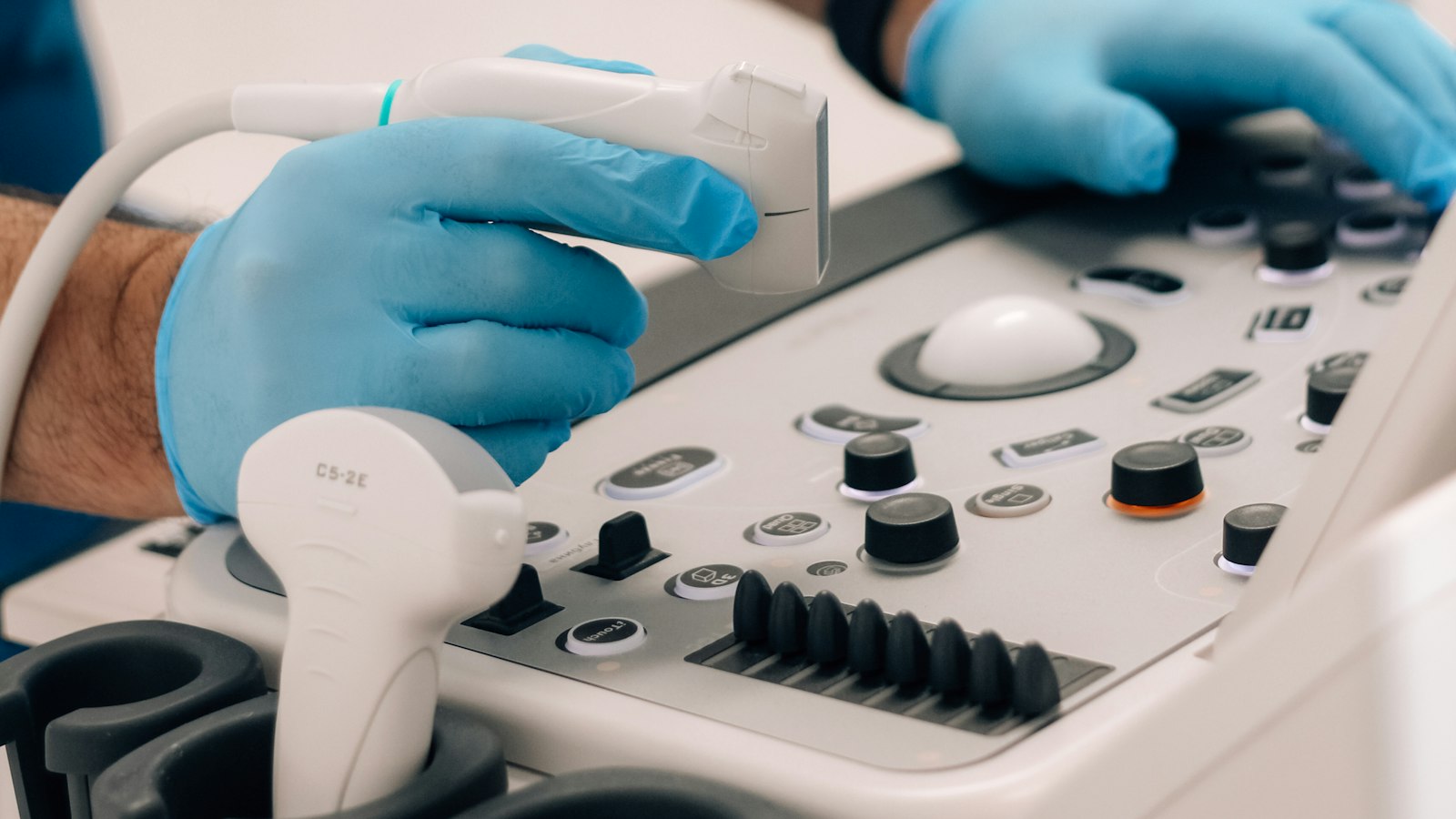
A proof-of-concept study in the Journal of Vascular Access tested SonoCoat® echogenic needles in femoral arterial access with nine combat medics.

MIME develops a SonoCoat® coating that makes medical devices visible in ultrasound, CT and MRI, together with Radboud University Medical Center. Funded by the Health~Holland MKB Call.