LIPOSMART Develops Smart Coatings for Organ-on-Chip Drug Testing
Micro-lab plates with LipoCoat® coatings for more reliable organ-on-chip drug tests, with B/MSC, Bondus and InSphero.
Emma Luong-Van
September 23, 2026

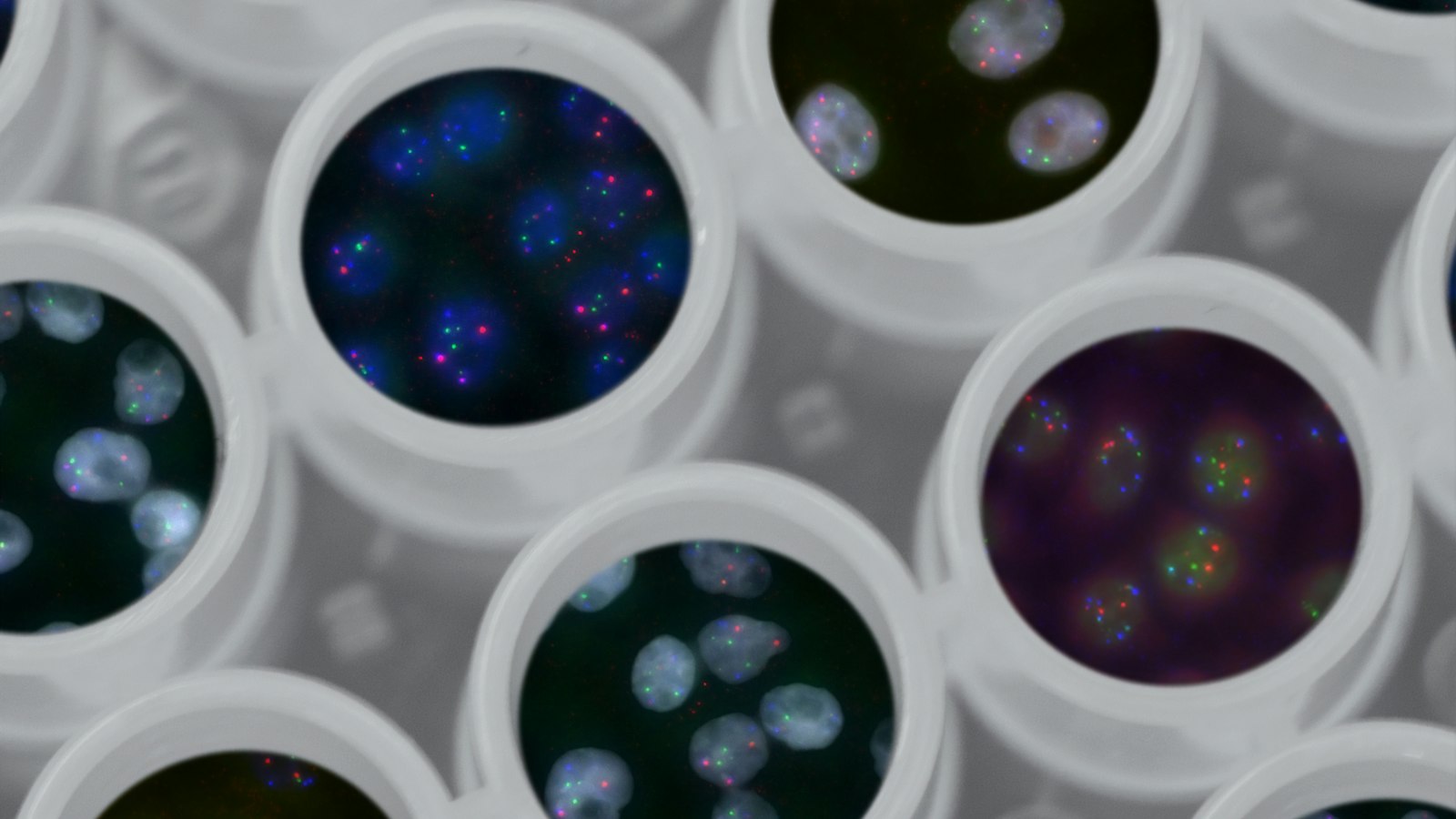
LIPOSMART is a project of the Bio/MicroSystems Centre (B/MSC), the joint innovation centre of the University of Twente and TNO, with Lipocoat Group, Bondus and InSphero. It develops micro-lab plates and smart coatings for organ-on-chip systems, so drug tests on miniature human tissues become more reliable.
Supported by Twente Board. LIPOSMART is one of two drug development projects awarded to the UT-TNO Joint Innovation Centre Bio/MicroSystems (B/MSC) in September 2026. In the project, B/MSC works with Lipocoat Group, Bondus and the Swiss company InSphero on new micro-lab plates and smart coatings for microphysiological systems.
Organ-on-chip systems are miniature models of human tissues and organs, built at micro scale. They help predict how drugs and treatments will work in people, and they support reliable, human-relevant testing without animal models. The plates and chips these models grow on are usually made of standard plastics. Some drugs bind to these plastics, so less of the drug reaches the tissue than the researcher intended. Small three-dimensional tissue models are also hard to keep in place. Both effects make test results less reliable.
LIPOSMART develops coatings that reduce unwanted interactions between cells, drugs and materials, while keeping miniature tissues in place in a controlled way. The result is a more stable and reliable test system for research on new drugs.
LipoCoat® is a lipid-based antifouling coating that limits how proteins, cells and other molecules interact with a surface. In LIPOSMART, Lipocoat Group explores how this surface-coating technology can contribute to better research tools and more reliable drug development workflows. The project extends LipoCoat® from medical devices to the plates and chips that pharmaceutical research runs on.
Unwanted binding of drugs and proteins to plastic is a known source of error in cell-based assays. A coating that controls this interaction can make test data more reliable without changing the format of the plate or chip. LipoCoat® is applied to existing products, so a manufacturer can add a function without redesigning the product. Manufacturers of medical devices, lab consumables or organ-on-chip systems who want to evaluate LipoCoat® can start with a feasibility study.
LIPOSMART receives support from Twente Board. The project is part of a broader investment line that strengthens the collaboration between the University of Twente and TNO and builds the MedTech ecosystem in Twente. Next to LIPOSMART, B/MSC runs the GALLOP project with Demcon life sciences & health, which automates measurements in microphysiological systems.


LIPOSMART is a project of the UT-TNO Joint Innovation Centre Bio/MicroSystems (B/MSC), carried out with support from Twente Board.
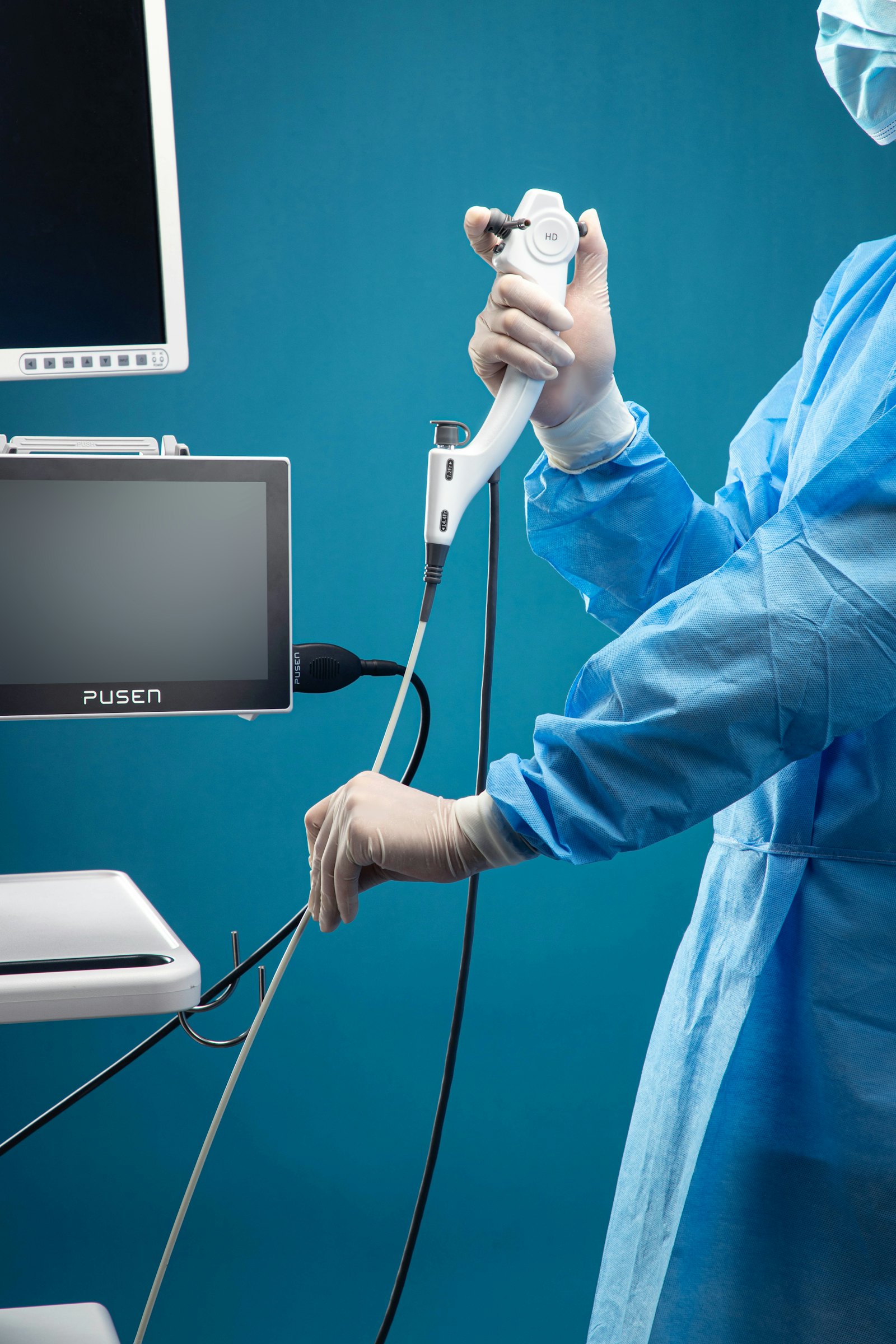
BILECOAT develops a LipoCoat® lipid coating for biliary stents with the University of Twente. The goal is a stent that stays open longer and needs fewer repeat procedures.
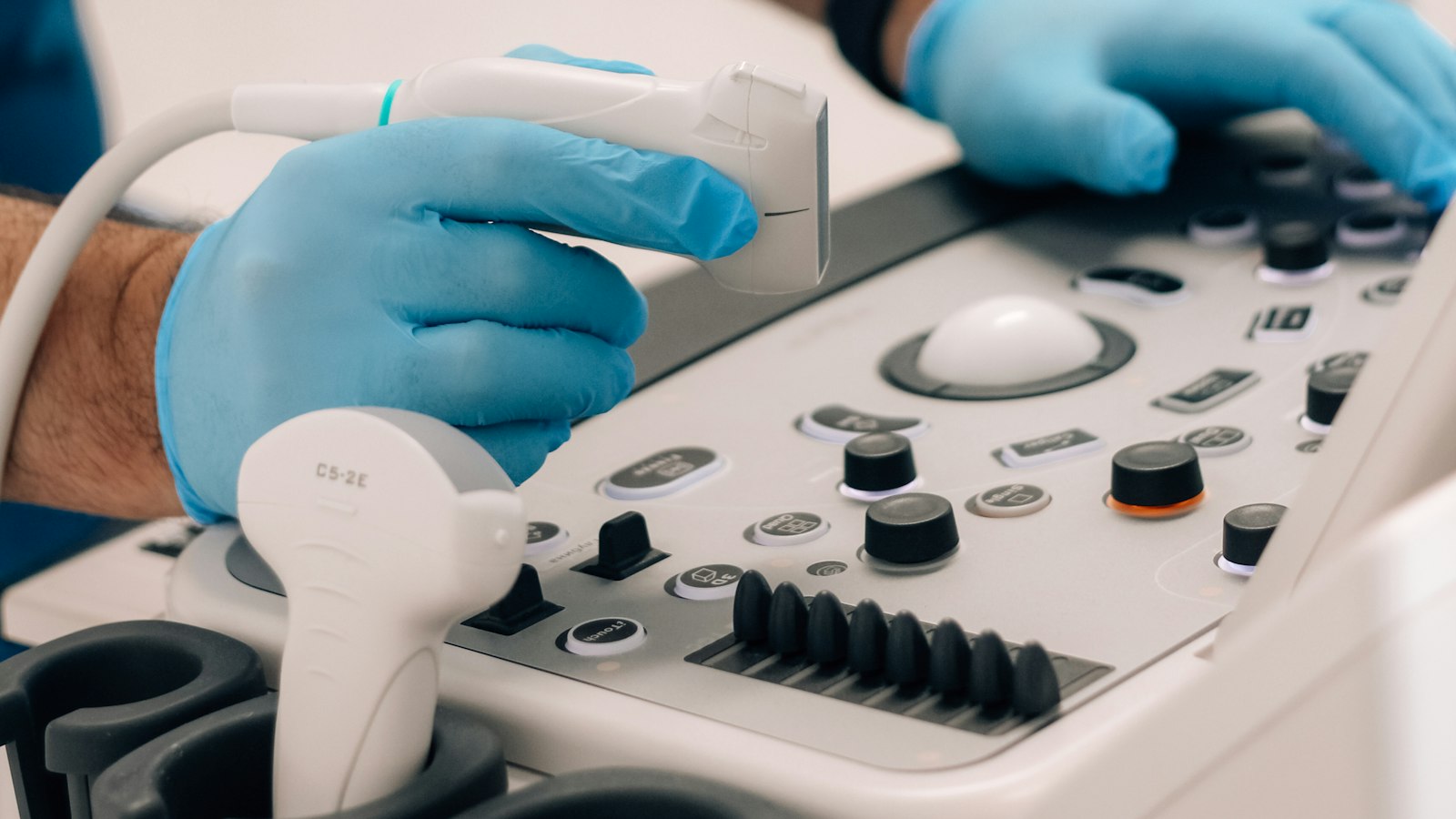
A proof-of-concept study in the Journal of Vascular Access tested SonoCoat® echogenic needles in femoral arterial access with nine combat medics.
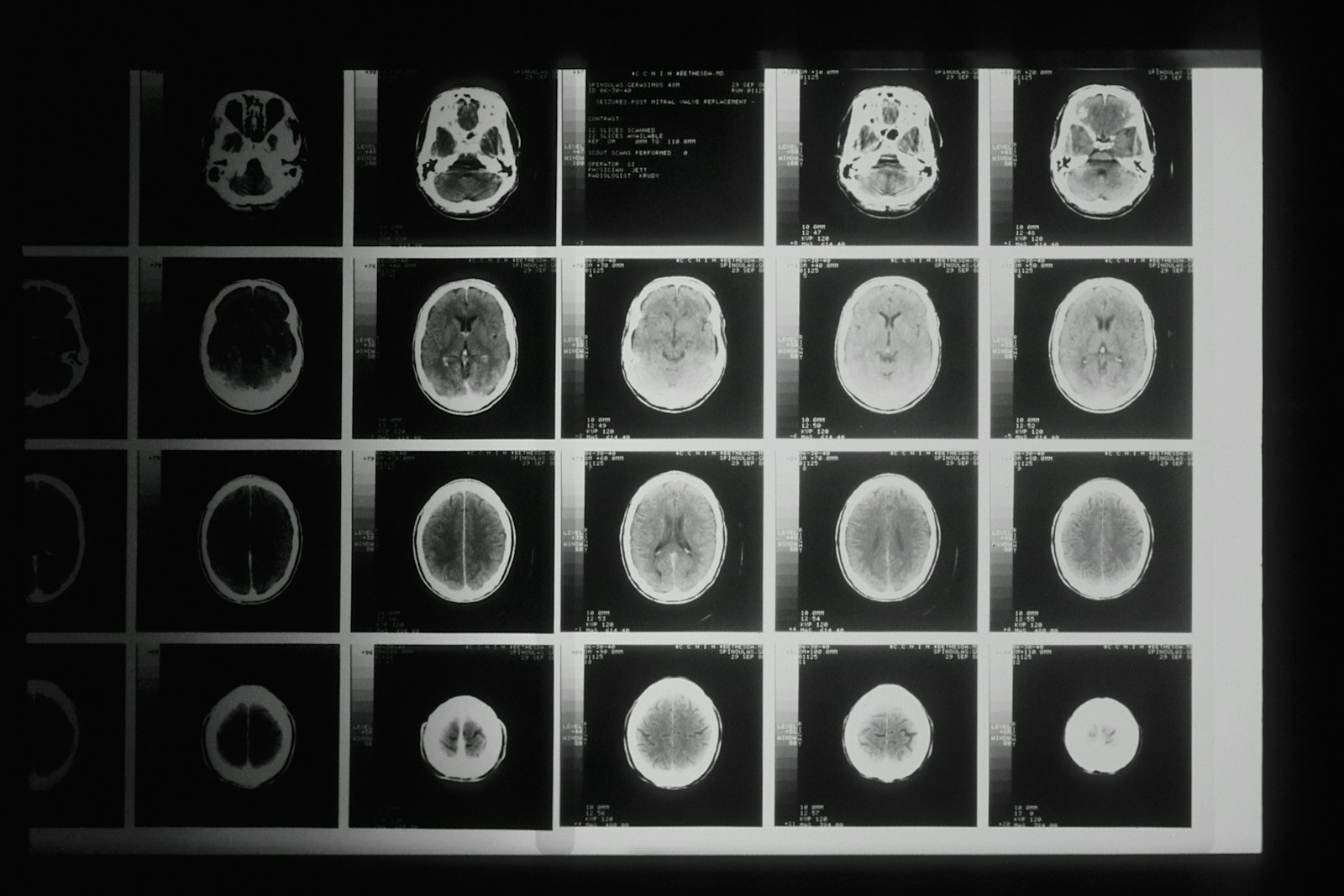
MIME develops a SonoCoat® coating that makes medical devices visible in ultrasound, CT and MRI, together with Radboud University Medical Center. Funded by the Health~Holland MKB Call.