MIME Receives Health~Holland MKB Call Funding
A SonoCoat® coating that makes devices visible in ultrasound, CT and MRI, developed with Radboud University Medical Center.
Bram Pape
October 23, 2026
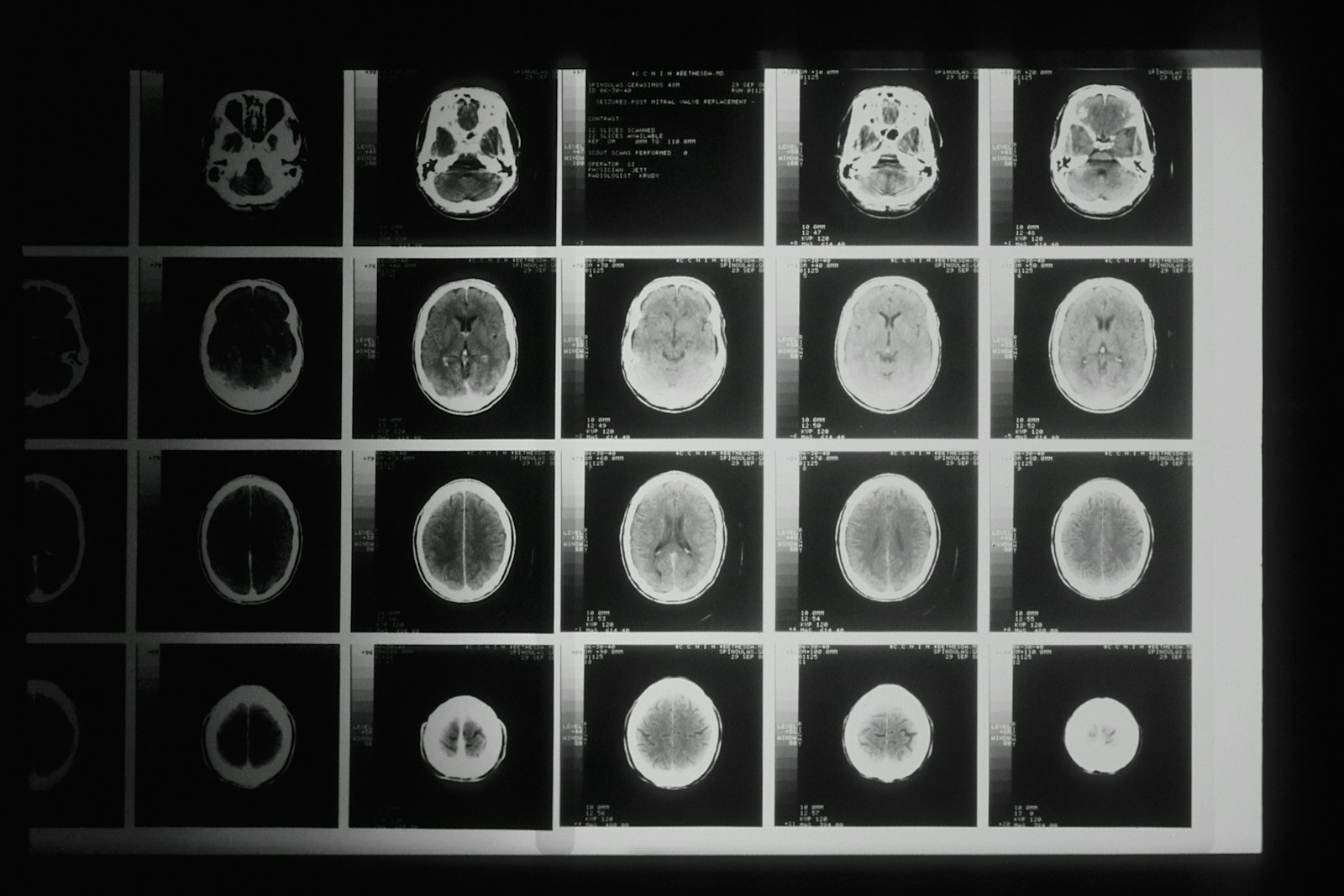
MIME is a Health~Holland MKB Call project of SonoCoat® and Radboud University Medical Center. It develops a coating that makes medical devices visible in ultrasound, CT and MRI, a combination that is currently unavailable on the market.
Funded through the Health~Holland MKB Call. MIME is a public-private partnership between SonoCoat® and Radboud University Medical Center, awarded in the 2025 Health~Holland MKB Call (SME Call) for Life Sciences & Health.
MIME stands for Improving Device Localization in Ultrasound, CT, and MRI using a novel Multimodal Imaging coating for MEdical Devices. In minimally invasive procedures, clinicians rely on imaging to follow a device inside the body, and device visibility is a recurring problem. The project description cites that clinicians report difficulty locating the device in 21% of brachytherapy cases.
SonoCoat® already makes needles and catheters visible under ultrasound. Microspheres embedded in the coating reflect ultrasound in all directions. In MIME, the SonoCoat® team adapts this echogenic technology to add visibility in CT and MRI. A coating that works across ultrasound, MRI and CT is currently unavailable on the market.
The project starts from an existing coating at Technology Readiness Level (TRL) 3 and aims to develop it toward TRL 6. It runs for 24 months.
SonoCoat® is applied to existing medical devices, so a manufacturer can add visibility without redesigning the device. MIME builds the formulation, validation data and application guidelines for multimodal imaging. Manufacturers who want to evaluate SonoCoat® on their own device can start with a feasibility study.
The Health~Holland MKB Call is a funding scheme for innovative research by small and medium-sized enterprises (SMEs) in Life Sciences & Health. Projects are public-private partnerships between at least one SME and one research institution. Health~Holland opens MKB Calls each year, and about 50 projects nationwide received funding in the results announced in June 2025. MIME fits the Knowledge and Innovation Agenda (KIA) Health & Care 2024–2027. More information is available at health-holland.com.


Talk to our team about a feasibility study on your device.
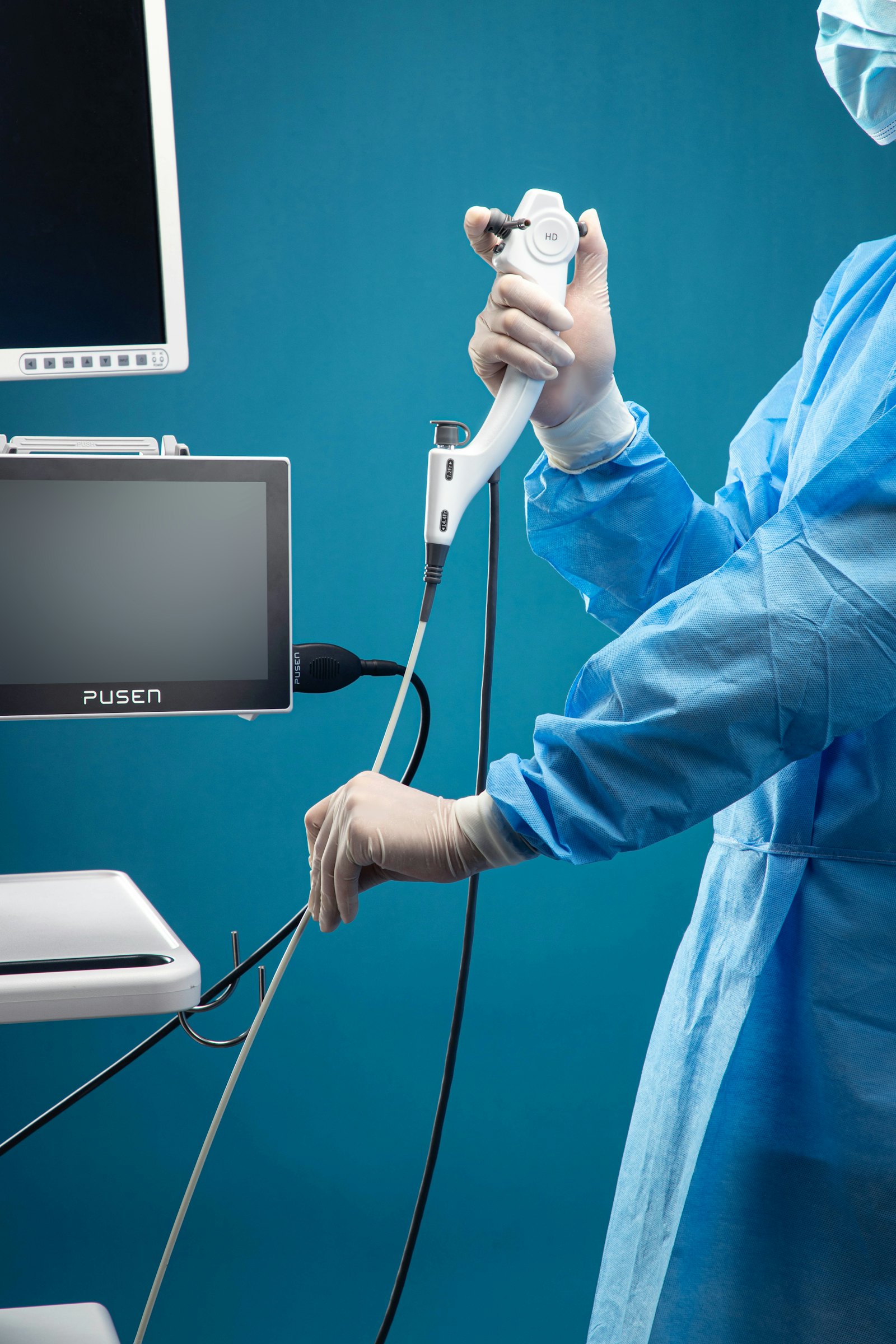
BILECOAT develops a LipoCoat® lipid coating for biliary stents with the University of Twente. The goal is a stent that stays open longer and needs fewer repeat procedures.
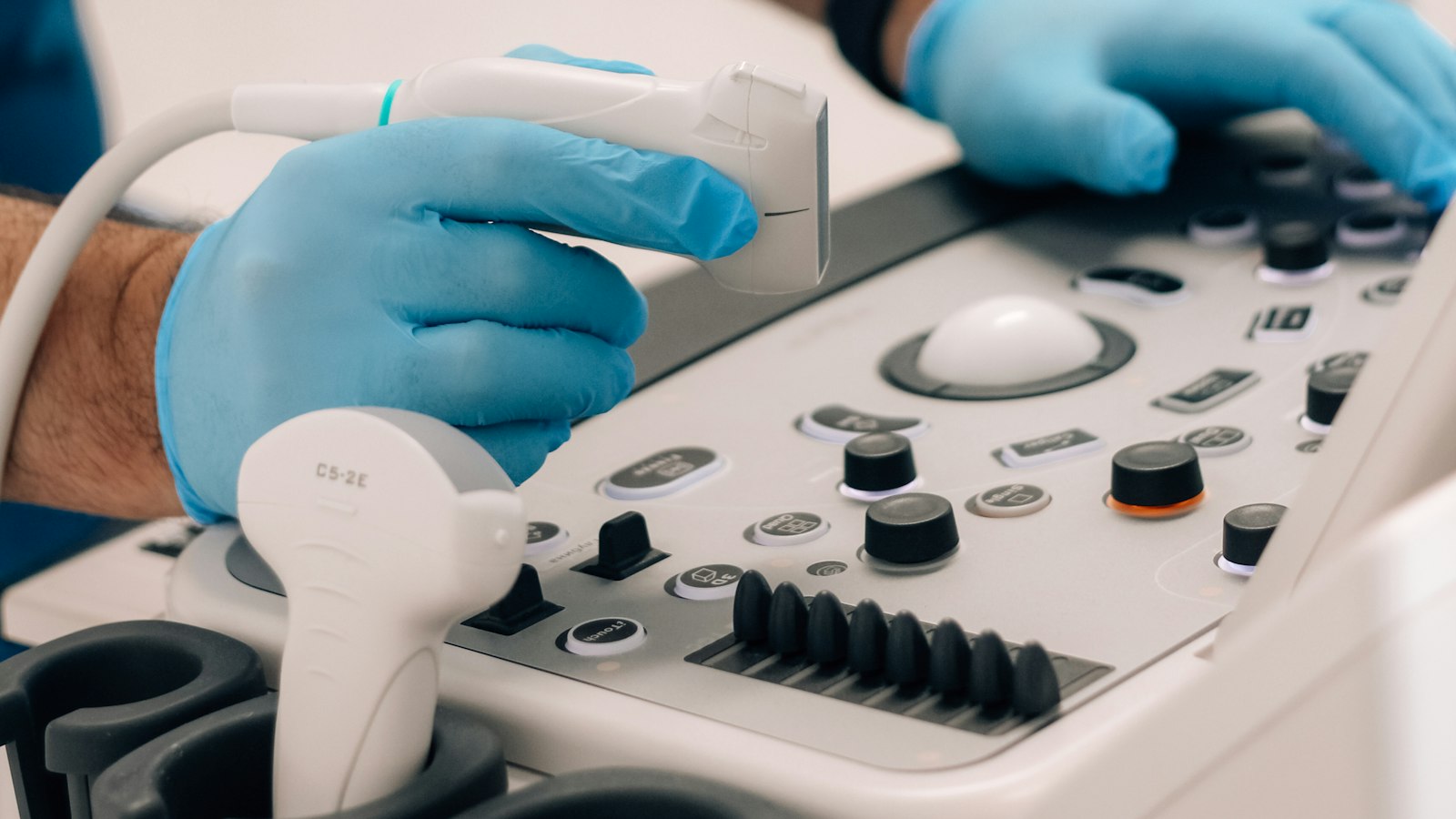
A proof-of-concept study in the Journal of Vascular Access tested SonoCoat® echogenic needles in femoral arterial access with nine combat medics.
UROCOAT develops an antibiotic-free LipoCoat® coating for urinary catheters with the University of Twente. The target is to reduce catheter-associated infections by 50–90%. Funded by the Health~Holland MKB Call.