WCR Develops Wireless Robots to Remove Blood Clots
Magnetically guided robots that remove blood clots without a catheter, with a LipoCoat® coating for blood contact.
Emma Luong-Van
April 3, 2025

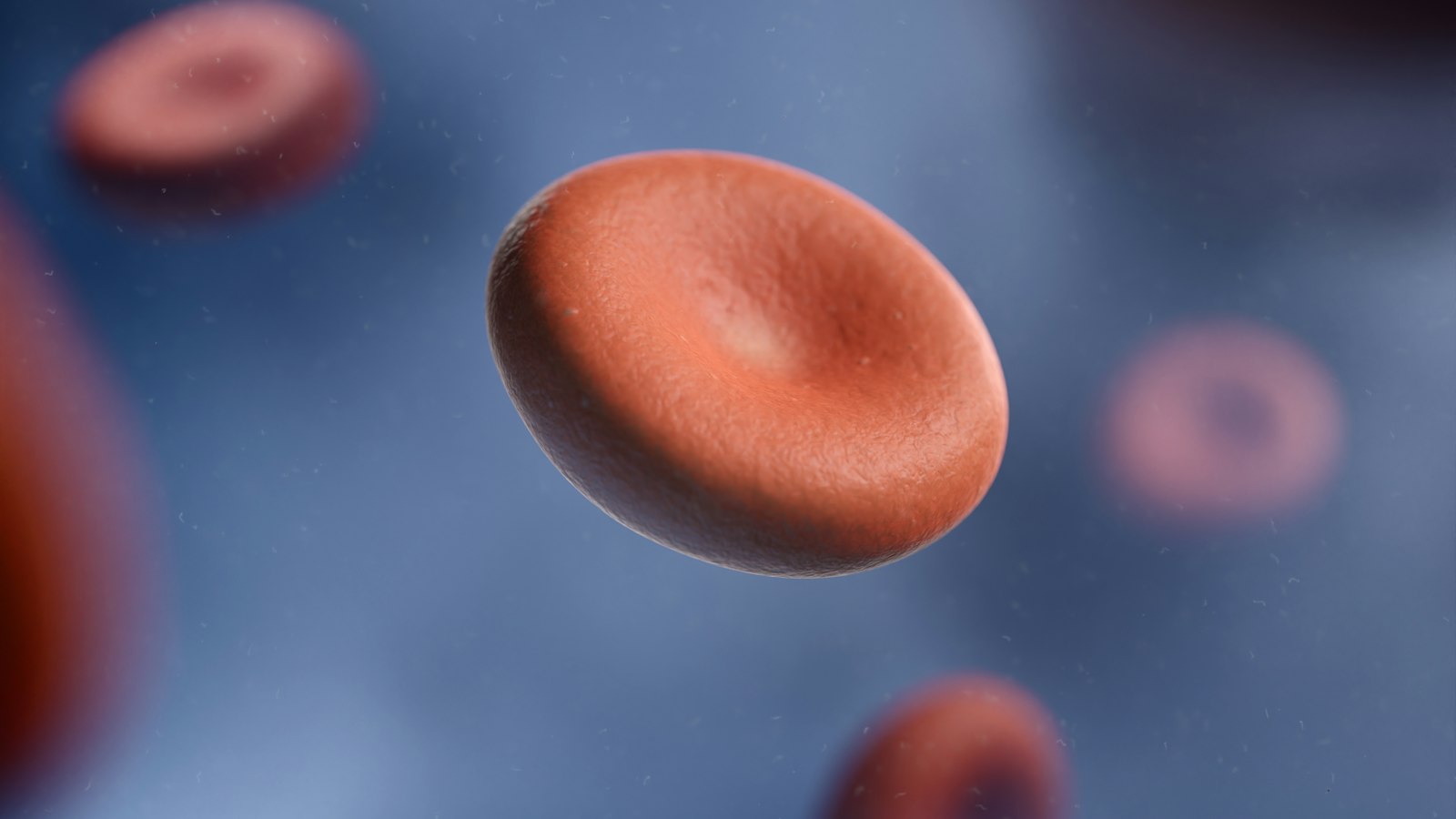
WCR is an NWO Open Technology Programme project led by the University of Twente together with Radboudumc. It develops a wireless, magnetically guided robot that removes blood clots. Lipocoat Group contributes the LipoCoat® coating that makes the robot surface more compatible with blood.
Funded by the NWO Open Technology Programme. WCR (Wireless Robotic Clot Retrieval for Vascular Intervention) is one of six projects that received funding in April 2025 from the Open Technology Programme of the NWO domain Applied and Engineering Sciences. The project receives more than €900,000 in total funding. The principal investigator is Dr. Islam Khalil of the Robotics and Mechatronics group at the University of Twente, with co-applicants from the University of Twente and Radboud University Medical Center.
A blood clot blocks a blood vessel, so the blood can no longer deliver oxygen to the tissue behind it. According to the University of Twente, conditions caused by blood clots account for one in four deaths worldwide each year. Today, clots are usually removed with catheter-based instruments, and clots in narrow or hard-to-reach vessels remain difficult to treat.
The WCR robot is a small, 3D-printed screw with a permanent magnet of about one millimeter inside. External magnetic fields rotate the robot, so it swims through blood vessels without a catheter or guidewire, even against the blood flow. Clinicians follow the robot with real-time X-ray imaging. In the WCR project, the team adds a gripper so the robot can grab clots and remove them.
The project targets the clots behind strokes, heart attacks, pulmonary embolisms and emboli below the knee.
A robot that moves through the bloodstream must not trigger clotting itself. For the ex vivo experiments, the robots were dip-coated with LipoCoat® 4AC, a lipid-based antifouling coating that limits the interaction between the robot surface and blood components. In earlier studies, LipoCoat® 4AC reduced fibrinogen adsorption by 95% and bacterial attachment by more than 99% compared to uncoated materials. It also delayed fibrin formation by more than six minutes and prevented complement activation and platelet aggregation. This lowers the risk of clotting, inflammation and infection on the device. Lipocoat researchers Dorothee Wasserberg and Remco Liefers co-authored the study.
Every blood-contacting device faces the same challenge: its surface can trigger clotting, fouling and inflammation. In WCR, LipoCoat® was applied to a new type of device, a 3D-printed magnetic robot, with a dip coating step of ten seconds. LipoCoat® is applied to existing medical devices, so a manufacturer can add a function without redesigning the device. Manufacturers who want to evaluate LipoCoat® on their own blood-contacting device can start with a feasibility study.
The NWO Open Technology Programme funds application-oriented technical-scientific research that is free and unrestricted and not hindered by disciplinary boundaries. In this round, six projects received more than €4.9 million from NWO, and companies and other organizations added more than €720,000. WCR (file number 21805, Open Technology Programme OTP 2024-5) is also co-funded by the PPP Allowance of Health~Holland, Top Sector Life Sciences & Health, to stimulate public-private partnerships.

Wireless Robotic Clot Retrieval for Vascular Intervention (file number 21805) is part of the research programme Open Technology Programme OTP 2024-5, which is partly financed by the Dutch Research Council (NWO). The project is co-funded by the PPP Allowance of Health~Holland, Top Sector Life Sciences & Health.
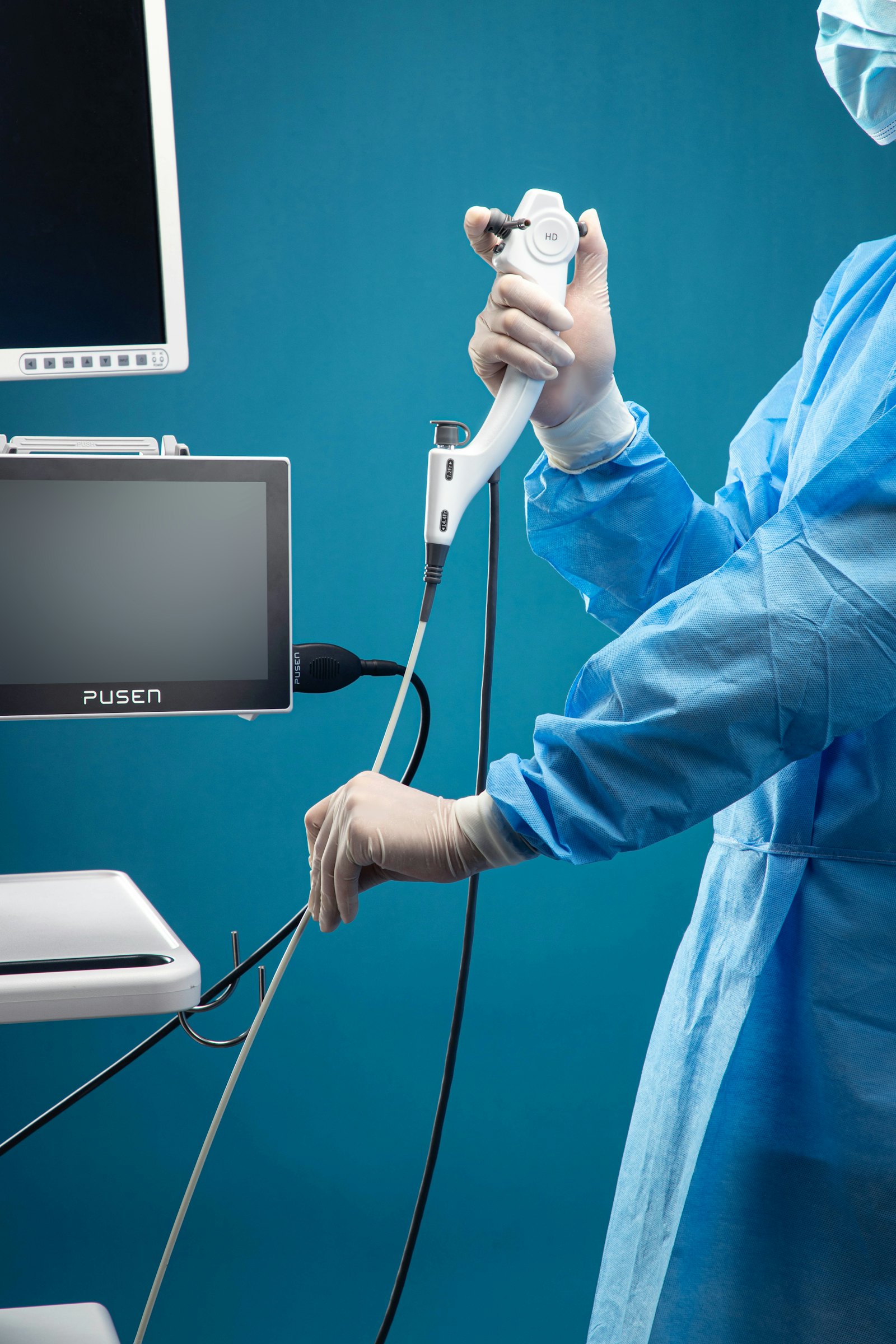
BILECOAT develops a LipoCoat® lipid coating for biliary stents with the University of Twente. The goal is a stent that stays open longer and needs fewer repeat procedures.
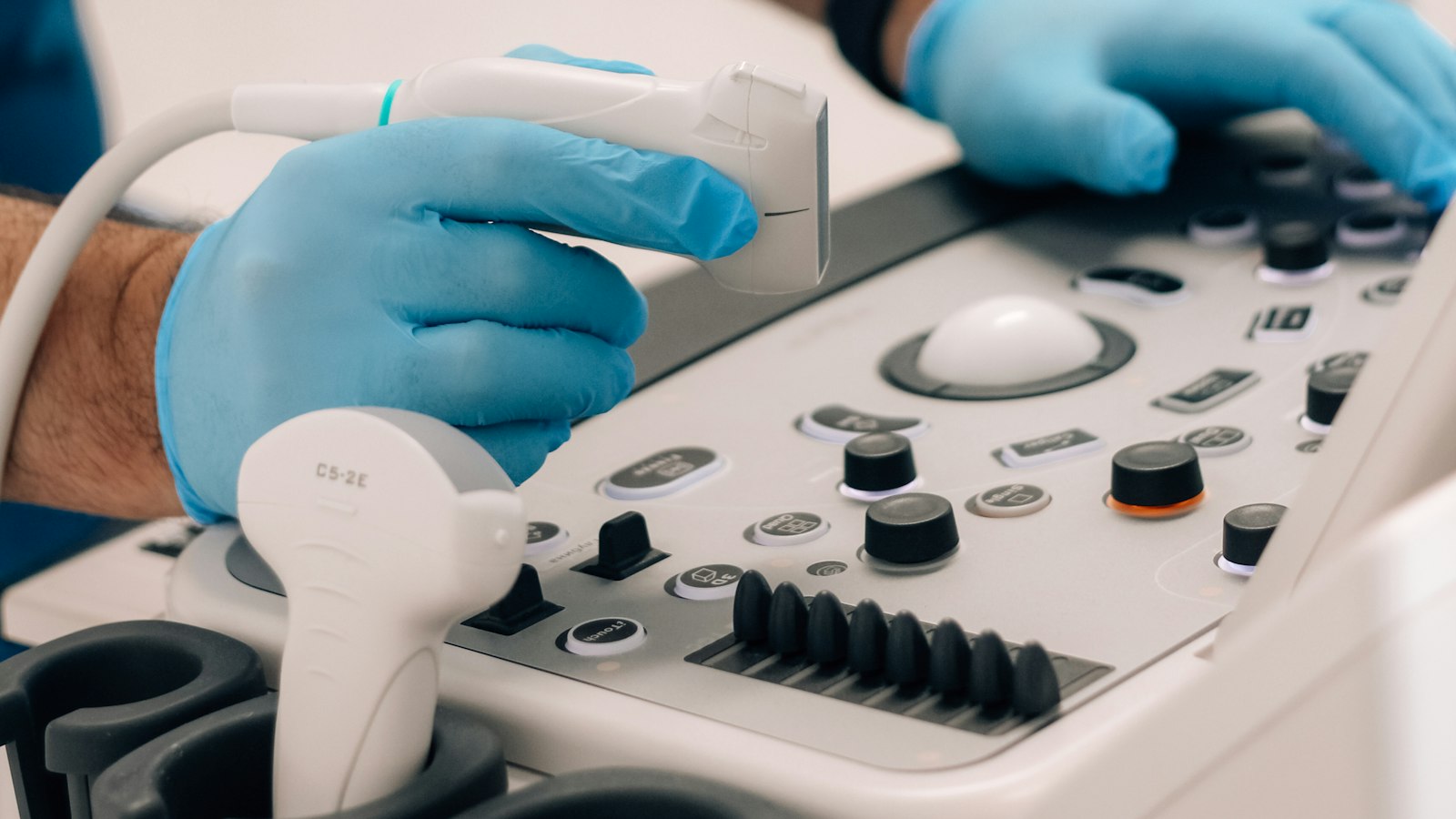
A proof-of-concept study in the Journal of Vascular Access tested SonoCoat® echogenic needles in femoral arterial access with nine combat medics.

MIME develops a SonoCoat® coating that makes medical devices visible in ultrasound, CT and MRI, together with Radboud University Medical Center. Funded by the Health~Holland MKB Call.